Academics
.jpg)
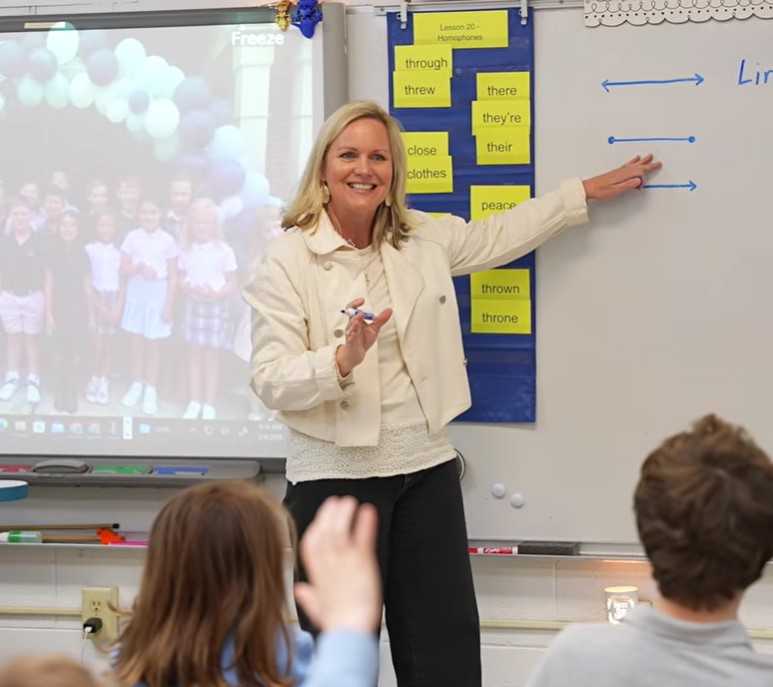
Wilson Hall’s academic program is designed to be challenging, personal, and well-rounded. Students pursue serious study in core subjects such as literature, writing, mathematics, science, history, and social studies, while also exploring technology, world languages, visual arts, performing arts, and other areas that enrich the educational experience. While Wilson Hall offers strong STEM opportunities, the school also values the arts, humanities, communication, creativity, and critical thinking. This balanced approach prepares students not only to succeed academically, but also to think deeply, express themselves clearly, and understand the world around them.
At the heart of a Wilson Hall education is the belief that students flourish when they are known, challenged, and encouraged to grow in every part of their lives. A strong curriculum matters, but the teachers who bring it to life matter even more. With intentionally limited class sizes, faculty members are able to truly know and care for their students, recognize individual strengths, offer meaningful support, and challenge each student to reach beyond what he or she may have thought possible.
Learning takes place in an atmosphere of genuine care, trust, and mutual respect. Teachers encourage students to do their best while giving generously of their time, whether offering extra help after school, meeting with parents, leading review sessions, coaching teams, or advising clubs. The strength of Wilson Hall’s faculty is reflected in the success of its students and in the recognition its teachers have received. In the South Carolina Independent School Association’s annual Teacher of the Year competition, Wilson Hall has had more teachers recognized than any other school in the area. As a fully accredited school, Wilson Hall is committed to maintaining a qualified and professional faculty, with teachers who are either certified or teach the majority of their courses in the area of their college major.
STEAM Certification
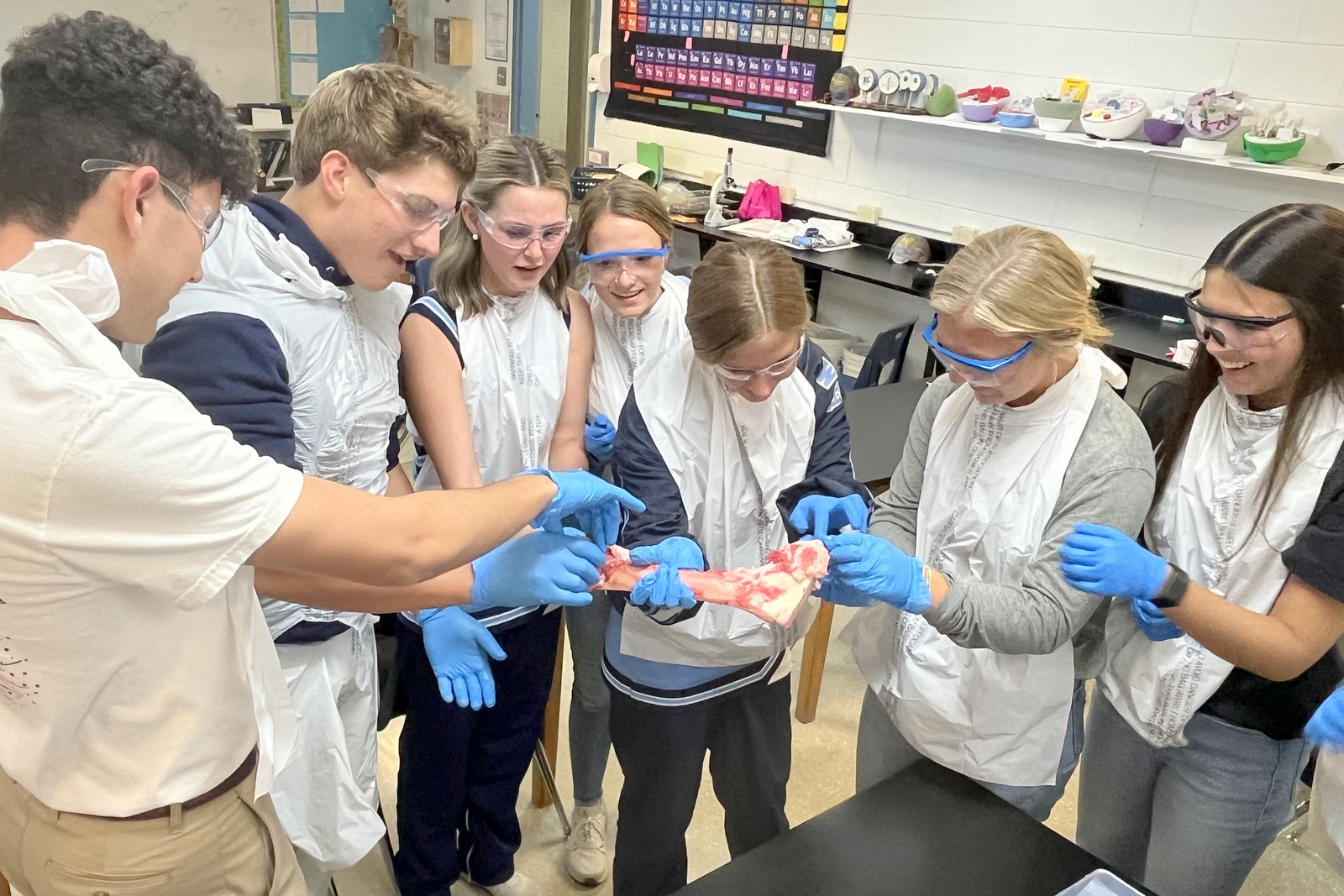
Wilson Hall is certified as a Science, Technology, Engineering, Arts, and Math school by the South Carolina Independent School Association. This STEAM distinction reflects the school’s commitment to inquiry-based learning, problem-solving, collaboration, creativity, and critical thinking. From three-year-old preschool through 12th grade, students participate in meaningful STEAM activities across academic disciplines, learning to ask questions, conduct research, use technology responsibly, communicate ideas, and apply what they know in thoughtful and practical ways.
Our Faculty
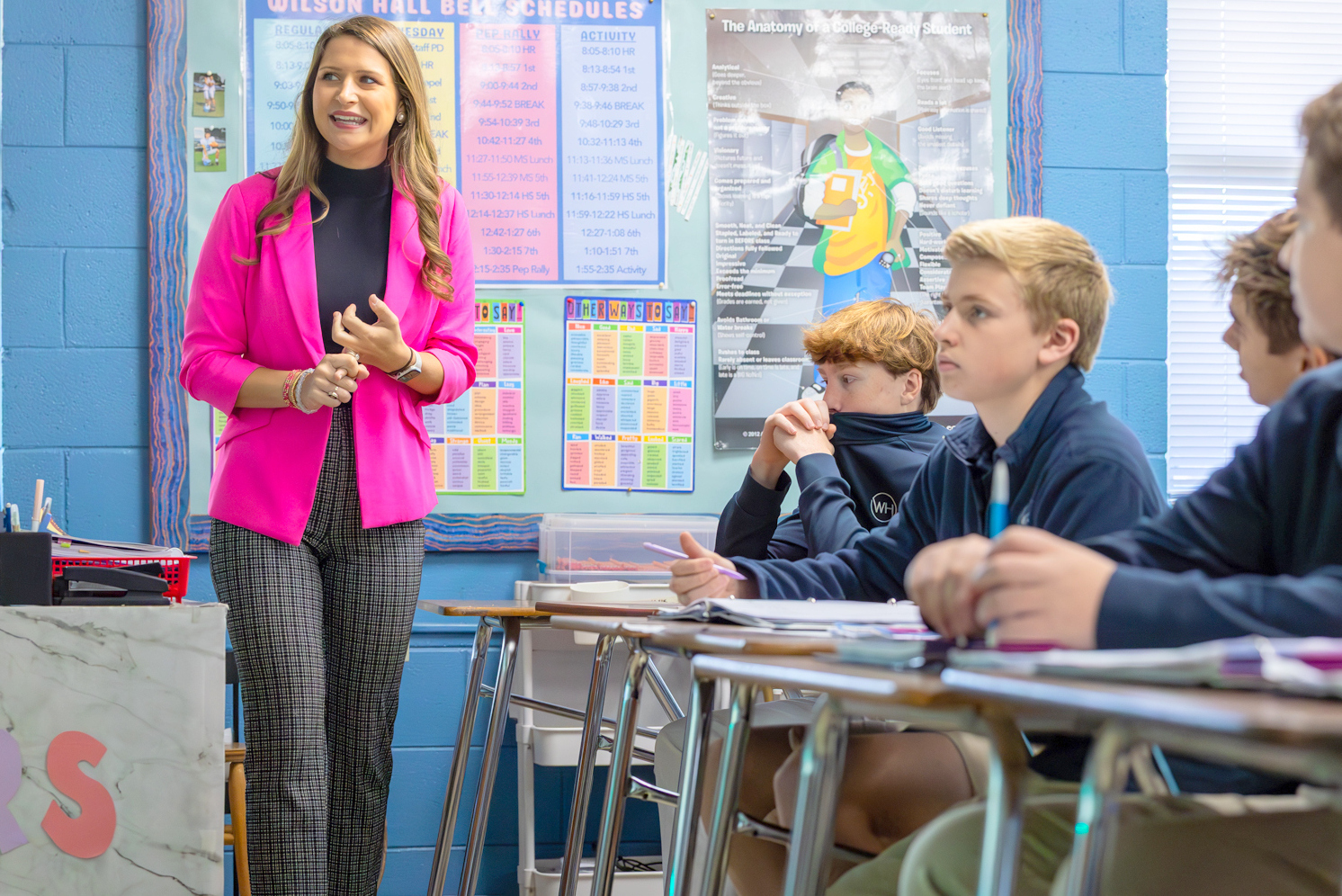
Wilson Hall is fully accredited by AdvancED and the Southern Association of Independent Schools, and our teachers must have either certification by the state or teach in the area of their college major. Wilson Hall teachers have an average of 22 years of experience, with an average of 15 years at Wilson Hall.
Wilson Hall has had 11 teachers named State Teacher of the Year by the S.C. Independent School Association, and 39 teachers have been among the top three finalists for the award during the 33-year old recognition program.